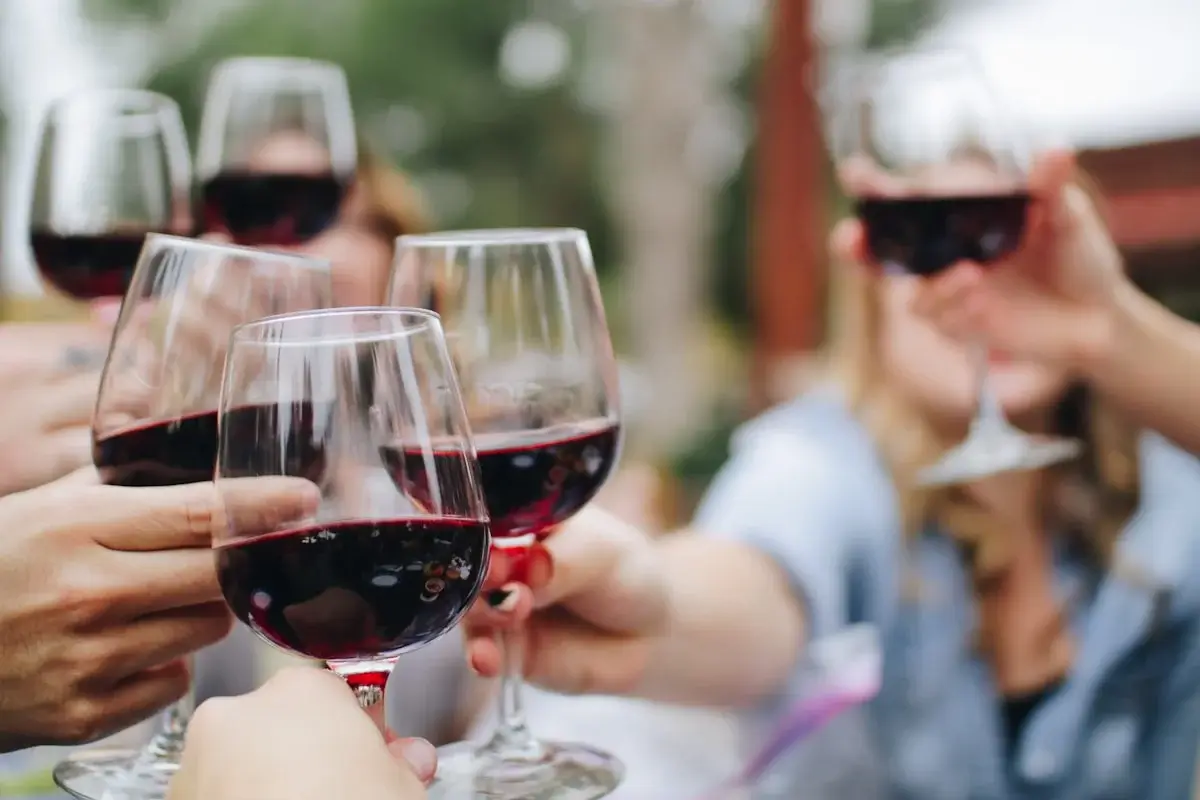
Young people don’t “hate” wine, their biology does. This article breaks down how palate development works, why modern drinking culture sabotages it, and how the wine industry can rethink its approach.
The wine industry has a communication problem
Everywhere you look, the wine industry complains that young people “don’t appreciate wine anymore.” They blame culture, values, attention spans and health trends but never question their own approach.
The reality is simpler and more uncomfortable: new drinkers are not the same as they were 20 or 30 years ago, and their palates are being shaped in a totally different environment. Wine is asking for a biological leap most young people are not prepared for, and definitely not guided through.
Wine asks for a big promise from new drinkers
In most categories, trying something new is pretty low‑risk. If you hate the new snack, coffee or soft drink, it’s mildly annoying, but it doesn’t really cost you much or shake your confidence.
Wine is different. For a new drinker, there’s a real learning curve before the flavours feel even remotely familiar, let alone enjoyable. Asking a 22‑year‑old to buy a bottle they have a high chance of disliking is a genuine emotional and financial gamble.
Tasting the new Pepsi Max flavour in a 1.25 L bottle might cost around $3.50, but a decent entry‑level bottle of wine is closer to $15. From a young person’s point of view, that math doesn’t stack up. Why spend more money on something you’re more likely not to enjoy? On the balance of probabilities, experimenting with wine just isn’t a logical choice, and that’s the part the industry keeps ignoring.
Our biology is not on wine’s side
Humans are born hard‑wired to love three things: sweet, fat and salt. These flavours signal survival, energy and safety. They’re simple, measurable, and instantly rewarding.
Wine, on the other hand, is built from almost the exact opposite: acid, bitterness, tannin and alcohol burn. To an untrained palate, wine does not taste like “complexity” or “terroir” – it tastes like a warning sign. Biologically, the first reaction is often a big, internal “NOPE!”
The industry loves to say, “They prefer sugary drinks,” as if that’s a character flaw. But if your body is wired to seek sweet and avoid bitter, choosing a vodka cruiser over a grippy young Cabernet isn’t immaturity, it’s biology doing its job.
Palates don’t magically mature with age
We talk about “mature palates” as if something automatically switches on when you hit 30. It doesn’t. Palates don’t mature on their own; they mature with exposure and repetition.
Think about coffee, dark chocolate, olives, blue cheese or strong black tea. As a kid, I used to practically dry‑reach watching my grandfather sip his afternoon coffee and pile blue cheese onto crackers – the smell alone was off. Almost nobody genuinely loves those flavours on the first try. You learn to tolerate them, then like them, and eventually crave them. They only become pleasant because your brain gets enough safe, repeated exposure to re‑label those flavours as rewarding.
Wine sits in the same bucket. If someone in their 20s “rejects” wine, that doesn’t mean they are unsophisticated. It usually means their palate has never been trained to process those cues as positive.
Acid and tannin are a workout for your mouth
Let’s think of palate development like weight training. The first time you swing around a heavy kettlebell, your muscles complain. It’s uncomfortable, sometimes downright painful, and your body wants to stop.
High‑acid Riesling, grippy Nebbiolo, or a big, tannic Cabernet do exactly that to your mouth. The first time you try them, your brain interprets the experience as harsh and aggressive. If your first reaction was “this is a bit much,” you weren’t wrong; you were honest.
With repetition, your brain recalibrates. What once felt sour, bitter, or drying starts to register as fresh, structured, complex and balanced. Just like building muscle, your palate builds tolerance and then appreciation through gradual, repeated “training sessions.”
Why some cultures accept wine more easily
People often point to Europeans or South Americans and say, “They just appreciate wine more.” But look at the context: wine is often part of the table from a young age, even if only in tiny sips.
That early, gentle exposure acts like training wheels. Over time, the flavours stop feeling hostile and start feeling normal. It’s not magic; it’s repetition within a culture that treats wine as food, not a mysterious luxury product.
Modern drinking culture has sabotaged the process
Today’s young drinkers are raised on products engineered to be soft, sweet and instantly lovable: RTDs, seltzers, premixed cocktails, flavoured spirits, energy drinks and sugary mixers. These drinks are designed to be biologically “safe” with low bitterness, low complexity, and maximum immediate pleasure.
So when a 24‑year‑old who has grown up on lemon‑lime seltzers tries a dry Pinot Grigio and says, “This is so bitter,” they aren’t being dramatic. They are describing their reality relative to what they usually drink; wine is genuinely more bitter, more acidic and more confronting.
From this angle, the real villains, if there are any, aren’t young people – it’s the companies like Diageo, Asahi/CUB, Bacardi and Crown-Forman that have trained an entire generation’s palate to expect sweetness and smoothness in every sip. How can we be shocked when that same palate rejects a tannic red?
Why “start with a good quality wine” is bad advice
The most common industry advice is: “They didn’t like wine because they tried cheap wine. Start them on good quality wine.” On paper, that sounds logical, but in practice, it’s terrible advice for beginners.
Handing a new drinker a high‑quality, tannic Cabernet or a razor‑sharp Riesling as their “first proper wine” is like taking someone who has never exercised and forcing them to run a marathon. No warm‑up, no progression, just pain – and then shock when they don’t come back.
We need to treat palate development like a skill
If we accept that palate development is a skill, then we have to design proper training wheels. That means starting with wines that are:
- Low in tannin
- Higher in fruit expression
- Softer in acidity
- Easy to drink without effort
From there, you can slowly introduce more structure, more bitterness and more complexity. Just like someone might move from milk chocolate to dark chocolate, or from a caramel latte to a short black, wine appreciation should follow a logical, gentle progression.
The opportunity for the wine industry isn’t just to lecture young people about “heritage” and “legacy.” It’s to teach them how to train their palate in a way that feels safe, rewarding and realistic.
A realistic beginner progression ladder (with what to look for)
| Step | Wine Style | What to look for in the label | How it should feel |
|---|---|---|---|
| 1 | Moscato | “Sweet”, “frizzante”, “low alcohol”, “lightly sparkling”, “peach”, “grapey”, “sweet and refreshing”; often in light & sweet or spritz/sparkling section. | Like alcoholic lemonade – juicy, sweet, super easy to drink and instantly familiar. |
| 2 | Pink Prosecco/Sweet Sparkling Rose | “Prosecco Rosé”, “Pink Prosecco”, “sparkling rosé”, “off‑dry”, “strawberries and cream”, “berry flavours”, “slightly sweet”; “party starter”, “easy drinking”, “summer bubbles”. | Fun, fruity bubbles with a touch more freshness than Moscato, still very friendly and non‑threatening. |
| 3 | Off-dry or fruity Savignon Blanc | “Marlborough Sauvignon Blanc”, “passionfruit”, “tropical”, “fruity and zesty”, “juicy”, “lush”, “off‑dry”, “hint of sweetness”; avoid “searing acidity”, “very lean”, “ultra crisp”. | Bright and tangy, with enough ripe fruit so it doesn’t taste sharp or sour. |
| 4 | Pinot Gris/Grigio | “Pear”, “apple”, “melon”, “textural”, “lush”, “medium‑bodied”, “easy drinking”, “rounded”; for beginners, favour “Pinot Gris”, “rich”, “textured”, “soft acidity” over “tight”, “razor‑sharp”. | Smoother than Sav Blanc, still fresh but with a bit more weight and slip on the palate. |
| 5 | Rose (Dry to off Dry) | “Rosé”, “strawberry”, “raspberry”, “red berries”, “refreshing”, “crisp”, “food friendly”; if nervous about dryness, look for “off‑dry”, “fruit‑forward”, “hint of sweetness”. | Chilled, refreshing, like a bridge between white and red – more dryness creeping in without being harsh. |
| 6 | Light Bodied Pinot Noir or Gamay | “Pinot Noir”, “light‑bodied”, “soft tannins”, “juicy red fruits”, “cherry”, “silky”, “easy drinking”, “serve slightly chilled”; avoid “powerful”, “intense tannin”, “full‑bodied”. | Your first red that doesn’t punch you in the face – gentle, juicy, and not too drying. |
| 7 | Medium Bodied Shiraz | “Shiraz” or “Syrah”, “smooth”, “plush”, “medium‑bodied”, “soft tannins”, “plum and spice”, “fruit‑driven”, “approachable”; avoid “big Barossa blockbuster”, “massive”, “huge structure”. | Darker fruit, a bit more weight and grip, but still round and comforting rather than aggressive. |
| 8 | Cabernet Savignon | “Cabernet Sauvignon”, “Cabernet Merlot”, “Shiraz Cabernet”, “firm tannins”, “structured”, “full‑bodied”, “blackcurrant”, “cedar”, “oak”; usually in full‑bodied reds. | Advanced stage – drying tannins, lots of flavour, for people who’ve already climbed the earlier steps. |
“Screenshot this list, walk into Dan Murphy’s, stay under $15, and treat it like a training plan for your palate.”
The real opportunity for the wine industry
Young people aren’t rejecting wine because they’re broken, impatient or disrespectful of tradition. They’re rejecting wine because, biologically and culturally, the deck is stacked against it.
If the industry wants to win them back, it needs to stop preaching culture first and start teaching palate first. Wine appreciation isn’t about instant sophistication; it’s about exposure, training and time. Give people progression, not guilt, and watch how quickly “I don’t like wine” turns into “I never knew wine could taste this good.”